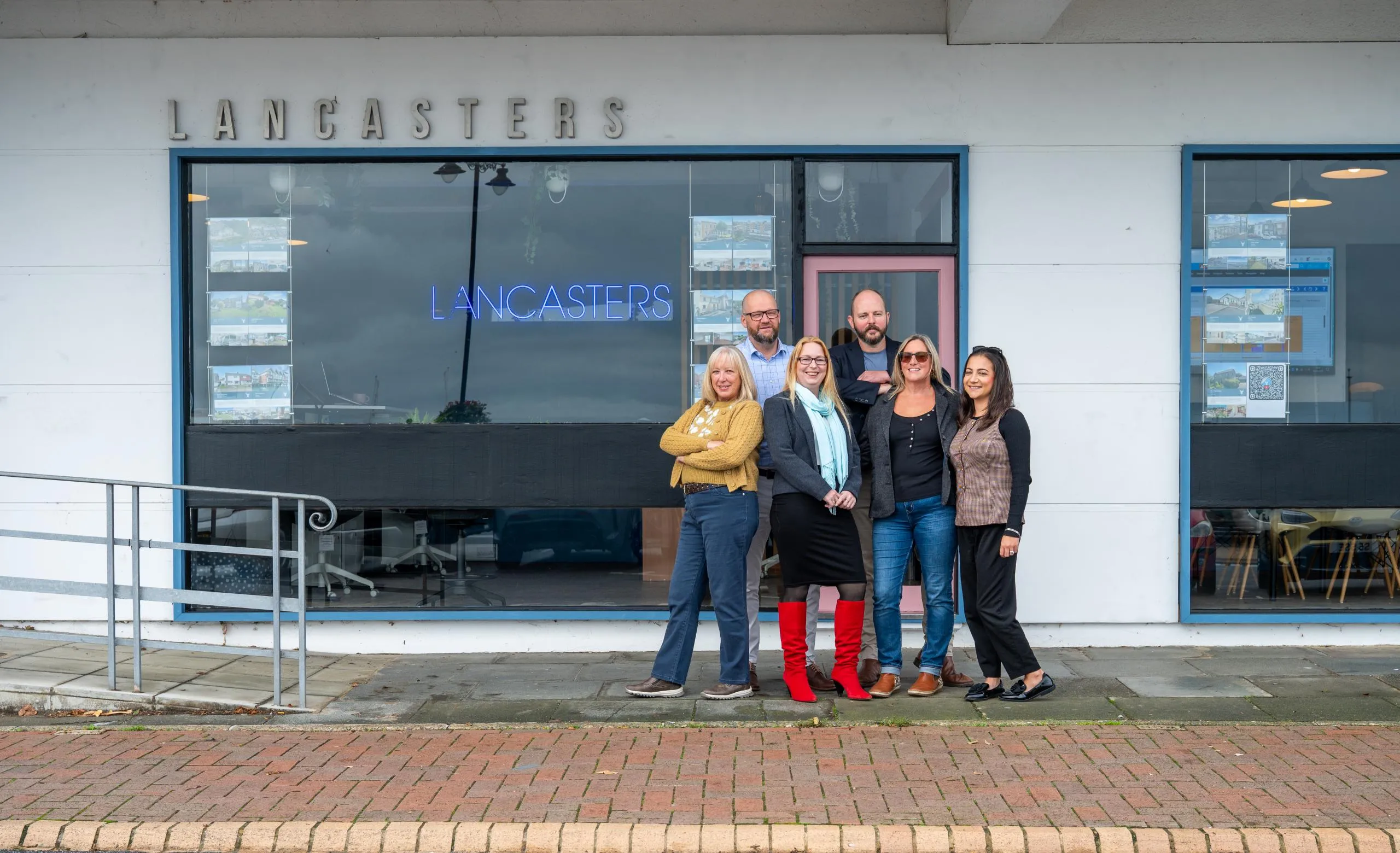
This is an internal document we decided to make public. Your glimpse behind the curtain to see how and why we run Lancasters like we do.
These aren't values we wrote because someone told us to. They are how we already operate on our best days. We wrote them down so everyone at Lancasters, and everyone who works with us, knows exactly what to expect.
They also are not just for client interactions. They guide how we hire, how we give feedback, how we handle difficult conversations, and how we hold each other to account. When making a decision, we run it through these.
These are real.
Warm, approachable, and real. Clients should feel like they're dealing with a friend who just happens to be highly professional at what they do. Not the fake kind of friendly that disappears after exchange. The genuine kind that picks up the phone when things go wrong.
IN PRACTICE
• You call with updates before clients have to chase you.
• You remember the personal details — the school move, the difficult chain, the nervous first-time buyer — and you acknowledge them.
• When you walk past someone who looks lost, you stop. Every time.
• You don’t drop your warmth when the deal gets stressful. That’s exactly when it matters most.
• When we hire, we ask: would our clients feel comfortable and cared for with this person? If not, it’s a no.
No spin. No half-truths. No convenient omissions. If it’s not honest, we don’t say it and we don’t do it. Full stop. This applies to pricing conversations, feedback from viewings, and anything else where it would be easier to say something softer. We don’t do easier. We do true.
IN PRACTICE
• You give accurate price appraisals even when the number isn’t what the client wants to hear.
• You share viewing feedback clearly and promptly, even when it’s blunt.
• You tell a landlord when their property needs work before it goes to market, not after three weeks with no offers.
• You never say “we’ve had a lot of interest” when you haven’t.
• If you make a mistake, you say so first. You don’t wait to be found out.
When things get tough, we ask: “How would you want an agent to act if this were happening to your mum?” That’s the benchmark. We can’t control every survey, chain, bank, or third-party decision. But we can control how we show up. Our clients will always know we’re in their corner, every time, without exception.
IN PRACTICE
• When a chain collapses, your first call is to the client, not your manager.
• You advocate for your client in negotiations even when it makes your job harder.
• You don’t hide behind email when a conversation needs to happen.
• When something’s gone wrong for a client, you ask yourself: “what would I want someone to do for my mum right now?” Then you do that.
• You flag problems early. Surprises are for birthdays, not completions.
Referrals from clients to the people they love are the biggest reward we can receive. We’d rather earn your trust than win your business quickly and lose it slowly. At the end of every deal, we want to shake hands, look everyone in the eye, and see them smile. That’s the measure we care about.
IN PRACTICE
• You never push a client towards a decision that serves your commission before it serves them.
• You’re honest when a property isn’t right for someone, even if they want it.
• You follow up after completion. Not to sell. Just to check they’re ok.
• You treat the £150,000 flat with the same care as the £1.5 million house.
• When a client refers someone to us, you treat it as the compliment it is. You tell them. And you deliver.
We do things differently, not for attention, but because we believe it’s the right way. Our industry doesn’t always have the best reputation, and often that’s deserved. We’re not here to shake things up for the sake of it. We’re here to sell and let homes properly, with integrity and care. If that feels different, good. It should.
IN PRACTICE
• When the industry norm is to overpromise on price to win the instruction, you don’t. You win on honesty instead.
• You don’t rush a viewing to get to the next one. You give people time.
• You question any process that exists out of habit rather than purpose.
• You take pride in doing the unglamorous parts of the job well — the admin, the follow-up, the file notes.
• If a colleague cuts a corner, you say something. Quietly, directly, and without drama.